How Much is A Catastrophic Injury Worth?
Speak with a accident lawyer 24/7 and get a clear estimate of your case.
Arizona Catastrophic Injury Lawyer
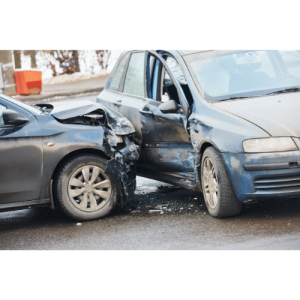
T-bone accidents can cause serious injuries because the side of a vehicle provides less protection from impact than the front or rear. These crashes frequently happen at intersections when one driver fails to yield, runs a red light, or turns across another vehicle's path.
If you were injured in a side-impact collision, an Arizona T-bone accident lawyer at Tinoco Law can investigate who had the right of way, preserve evidence from the crash, and pursue compensation from the responsible driver and insurance company.
Arizona Injury Law Firm for Catastrophic Injury
Tinoco Law represents car accident victims in Colina baja, Fénix, Peoria, Maricopa County, and throughout Arizona. You work directly with an attorney—not a case manager—throughout your claim.
What Is a T-Bone Accident?
A T-bone accident is a side-impact collision in which the front of one vehicle crashes into the side of another, creating a shape similar to the letter "T."
These crashes commonly occur at intersections, but they can also happen when a vehicle enters or exits a driveway, parking lot, or side street.
Because the impact may occur directly beside the driver or passenger, occupants can be exposed to significant force with relatively little space between them and the striking vehicle.
Determining why the collision occurred is an important part of establishing liability.
Common causes of T-bone accidents include:
- Running a Red Light
- Running a Stop Sign
- Failing to Yield
- Unsafe Left Turns
- Conducción distraída
- Exceso de velocidad
- Drunk or Impaired Driving
- Misjudging the Speed or Distance of Another Vehicle
- Entering Traffic Without Sufficient Clearance
Some collisions involve multiple contributing factors. For example, one driver may have failed to yield while another was traveling above the speed limit.
Arizona's comparative negligence rules can become important when more than one person contributed to a crash.
What Evidence Can Prove Fault in a T-Bone Accident?
-
Informes policiales
-
Photos and Videos From the Scene
-
Daños al vehículo
-
Traffic or Intersection Camera Footage
-
Photos and Videos From the Scene
-
Nearby Business Surveillance Video
-
Dashcam Footage
Who Is at Fault in a T-Bone Accident?
The driver who strikes the side of another vehicle is not automatically at fault.
Liability generally depends on which driver had the right of way and what each driver was doing immediately before the collision.
For example, a driver traveling through an intersection on a green light may be struck from the side by someone who ran a red light. In another case, a driver making a left turn may enter the path of an approaching vehicle and be struck on the side.
Determining fault may require evidence showing:
- Traffic Signal Status
- Right of Way
- Vehicle Speed
- Direction of Travel
- Driver Actions
- Point of Impact
- Road and Weather Conditions
Rather than relying only on where the vehicles were damaged, an attorney can investigate the evidence surrounding the entire collision.
Common Injuries From Side-Impact Collisions
T-bone accidents can cause significant injuries, particularly when the impact occurs on the side where an occupant is sitting.
Potential injuries include:
- Traumatic Brain Injuries and Concussions
- Neck Injuries
- Back Injuries
- Lesiones de la médula espinal
- Shoulder and Arm Injuries
- Hip and Pelvic Injuries
- Huesos rotos
- Chest and Rib Injuries
- Lesiones internas
- Cuts and Lacerations
The severity of an injury can depend on the speed and angle of impact, vehicle size, use of restraints, side airbags, and where the vehicle was struck.
Some injuries may not produce obvious symptoms immediately after the crash. Seeking appropriate medical attention can help identify injuries and document when symptoms began.
What If Both Drivers Share Fault?
You may still be able to recover compensation even if you were partially responsible for the collision.
Arizona sigue una negligencia comparativa pura system. When an injured person shares responsibility for an accident, compensation can generally be reduced according to that person's percentage of fault.
For example, if your damages were $100,000 and you were determined to be 20% responsible, the recoverable amount could be reduced by 20%.
Because insurers may attempt to shift responsibility to reduce what they have to pay, evidence establishing how the collision occurred can be especially important.
What Should You Do After a T-Bone Accident?
After a serious side-impact crash:
- Get medical attention. Your health should come first, particularly after a significant side impact.
- Report the accident. Contact law enforcement and obtain information about the crash report.
- Document the scene when possible. Photograph vehicle positions, damage, traffic signals, signs, skid marks, and surrounding conditions.
- Identify witnesses. Obtain contact information from anyone who saw the collision.
- Conservar las pruebas. Keep photographs, medical documentation, damaged property, insurance communications, and other records.
- Be careful when discussing fault. Avoid speculating about what happened or giving unnecessary statements before the evidence has been reviewed.
- Consider speaking with an attorney. An attorney can investigate liability and identify evidence that may need to be preserved quickly.
How Long Do You Have to File a T-Bone Accident Claim in Arizona?
Arizona generally provides a plazo de prescripción de dos años for many personal injury claims, but the deadline can vary depending on the circumstances.
Cases involving a government vehicle or public entity can have different and substantially shorter notice requirements.
You also shouldn't assume that having time remaining under the statute of limitations means you should wait. Evidence important to proving an intersection accident may disappear long before the legal filing deadline.
Why Choose Tinoco Law After a T-Bone Accident?
Acceso directo a su abogado
At Tinoco Law, clients work directly with attorneys rather than having their cases primarily managed through case managers.
Evidence-Focused Representation
T-bone cases can turn on a single question: Who had the right of way?
Our attorneys investigate the evidence surrounding the collision, including available video, witness statements, vehicle damage, reports, and other information that may establish what happened.
Prepared for Insurance Disputes
An insurance company may dispute fault, argue that you contributed to the crash, or challenge the severity of your injuries.
Tinoco Law builds claims around evidence and prepares to pursue litigation when a fair resolution cannot be reached through negotiations.
Hablamos español
Tinoco Law provides personal injury representation in English and Spanish, allowing Spanish-speaking clients to communicate directly with a bilingual attorney.



20
Años
Experiencia en lesiones personales
1
M+
Dólares ganados, incluidas las reclamaciones del gobierno
Compensation You Can Recover After an Accident in Arizona
Médico
Gastos
Perdido
Salarios
dolor y
Sufrimiento
Propiedad
Daño
Testimonios
Lo que dicen los clientes sobre nosotros
Jessica Tinoco se hizo cargo de mi caso de accidente después de que otro abogado tuvo que recoger los pedazos y volver a armar todo por mí. Ella manejó mi caso de manera rápida y profesional. Ella me mantuvo informado todo el tiempo y fue increíble. Ella me hizo sentir muy cómoda durante todo el proceso y me dio una gran confianza en que estaba haciendo todo lo que podía por mí.
Sentí confianza en la capacidad de Jessica Tinoco para manejar mi caso y eso me dio tiempo para recomponer mi vida. Fue fantástico no tener que preocuparnos por nada... gracias. Recomiendo a Jessica Tinoco.
Margarita T.
Trusted PI Lawyers in Phoenix
¿Por qué elegirnos?
Nunca pagues de tu bolsillo
Participación directa de un abogado durante todo su caso.
Diseñado para gestionar responsabilidades complejas y reclamaciones de gran envergadura.
Preguntas frecuentes
Is the driver who hits the side of the car always at fault?
No. Fault depends on which driver had the right of way and the circumstances leading to the collision. Evidence such as traffic signals, witness statements, video footage, and vehicle damage can help establish liability.
Who is usually at fault in a T-bone accident at an intersection?
A driver who runs a red light, ignores a stop sign, fails to yield, or makes an unsafe turn may be responsible. However, every collision should be evaluated based on its specific evidence.
¿Puedo obtener una indemnización si tuve parte de la culpa?
Potentially. Arizona follows pure comparative negligence, which can allow an injured person to recover compensation even when they share responsibility. Their compensation may be reduced according to their percentage of fault.
Why are T-bone accidents so dangerous?
Side-impact crashes can be particularly serious because there is less vehicle structure separating an occupant from the point of impact than in many front- or rear-end collisions.
What if the other driver says they had a green light?
Conflicting driver statements don’t necessarily determine fault. Traffic-camera footage, surveillance video, witnesses, physical evidence, vehicle data, and other evidence may help establish what happened.